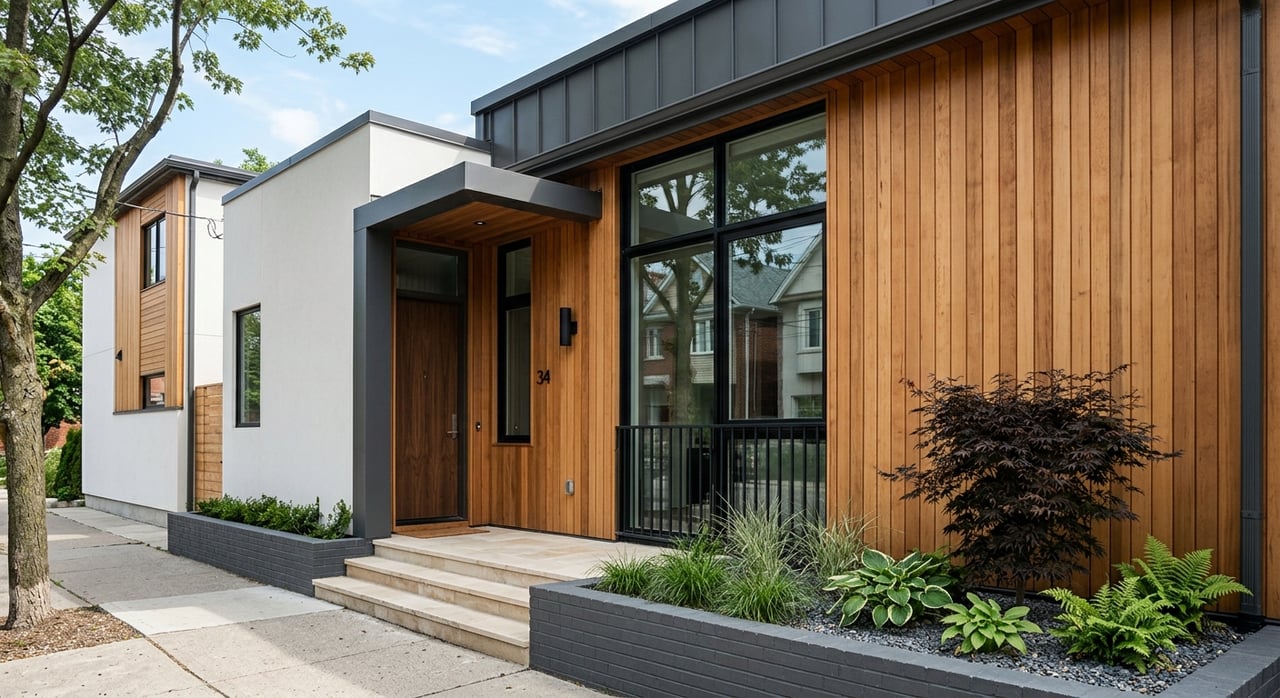
If you are trying to choose the right part of Charlotte, the real question is not which neighborhood is best. It is which daily rhythm fits your life. Some areas put you close to transit, dining, and walkable streets, while others give you more space, more flexibility, and a quieter pace. This guide breaks down Charlotte’s urban and suburban options so you can compare them with more confidence. Let’s dive in.
Charlotte Is a Market of Micro-Markets
Charlotte does not behave like one single housing market. The city plans for growth through 14 Community Area Plans and a revised policy map, with attention to infrastructure, neighborhood protection, and mixed-use centers.
That helps explain why Uptown, South End, Plaza Midwood, Matthews, Ballantyne, and Huntersville can feel so different from one another. If you are searching across Charlotte, it helps to think in terms of micro-markets instead of broad labels.
What Urban Energy Looks Like in Charlotte
In Charlotte, urban living usually means closer-in neighborhoods with walkability, mixed housing types, and easier access to transit, dining, and entertainment. It can also mean a mix of older homes, newer townhomes, apartments, and condos within the same area.
Uptown is a great example. Its residential geography includes First, Second, Third, and Fourth Wards, plus Historic South End, so urban living here is much broader than high-rise towers alone.
Uptown Offers More Variety Than Many Buyers Expect
First Ward includes new craftsman-style single-family homes, contemporary townhouses, mid-rise apartments, and high-rise condominiums. Fourth Ward is known for historic Victorian homes and quieter streets.
That range matters if you want an urban setting without giving up neighborhood character. In Charlotte, close-in living can mean very different housing experiences depending on the block and the ward.
Historic Districts Add Character Close In
Charlotte’s Local Historic Districts show off much of the city’s older housing stock. Dilworth is known as Charlotte’s first suburb, Wesley Heights is defined by bungalow-style homes and tree-canopied streets, Wilmore has curving streets and bungalow homes, and Plaza Midwood is known for especially varied architecture.
For many buyers, these neighborhoods offer a blend of location and character. You may find more charm and variety, but often at a premium compared with the broader market.
South End Highlights Transit-Focused Living
South End is one of the clearest examples of Charlotte’s amenity-driven urban market. The Blue Line Rail Trail runs 11 miles parallel to the LYNX Blue Line, connects to 15 bicycle routes, and in many stretches is lined with shops, restaurants, outdoor seating, and newer apartments and townhomes.
CATS also identifies the South End station area as part of an expanding Blue Line corridor with pedestrian improvements. If your ideal routine includes walking to coffee, using transit, or having activity close by, South End often rises to the top of the list.
Plaza Midwood Brings a Walkable Lifestyle
Plaza Midwood offers a different kind of urban energy. Along with its architectural variety, it is Charlotte’s only approved social district, which supports its walkable, entertainment-oriented identity.
That does not mean every street feels the same. It does mean the neighborhood has a strong lifestyle pull for buyers who want a more active, close-in environment.
What the Price Premium Tells You
Charlotte’s most walkable and established close-in neighborhoods generally command higher prices than the broader market. In March 2026, median sale prices were reported at $661,000 in South End, $577,500 in Dilworth, $810,000 in Plaza Midwood, and $1,487,500 in Myers Park.
For comparison, Canopy MLS reported a City of Charlotte median sales price of $439,945 in April 2026, while Mecklenburg County was $475,000. These figures come from different geographies and data sets, so they are best used as directional comparisons rather than exact one-to-one benchmarks.
What Suburban Calm Looks Like in Charlotte
Charlotte’s suburban options are not all the same. In general, suburban areas tend to offer more square footage, larger lots, more garage space, and a calmer day-to-day routine, but each area brings its own mix of home styles, pricing, and amenities.
If you are willing to drive more in exchange for space and flexibility, suburban communities may offer better alignment with your priorities. For many buyers, that trade-off is worth it.
Matthews Offers Space and Flexibility
Matthews is a useful example of Charlotte’s outer-ring market. Its March 2026 median sale price was $485,000, and available homes ranged from the low $400,000s to $1.65 million.
The town’s own housing trends report notes rising interest in outdoor space, flexibility, and proximity to family, while also supporting mixed-use, 20-minute neighborhoods and a broader mix of housing types. That means Matthews can feel suburban without being locked into one housing pattern.
Huntersville Shows the Range of the Suburban Ring
Huntersville also illustrates how varied suburban Charlotte can be. Its March 2026 median sale price was $567,817, with inventory ranging from the mid-$300,000s to well above $1 million.
That wide spread tells you something important. Charlotte’s suburban edge is less about one fixed price point and more about what kind of space, lot size, and home type you want.
Hybrid Areas Are Worth a Closer Look
Not every buyer wants the intensity of the urban core or the full separation of a traditional suburb. In Charlotte, several areas offer a middle ground with more space than Uptown but stronger amenities and future infrastructure than many lower-density neighborhoods.
For many relocation buyers, this is where the search gets interesting. These communities can provide a practical balance between convenience and breathing room.
SouthPark Blends Access and Investment
The City of Charlotte says the SouthPark CNIP is intended to support a mixed-use activity center with access by all modes, bicycle and pedestrian connections, greenspace, and a park-once environment. That signals continued public investment in a more connected future.
If you want a polished, established area with evolving infrastructure, SouthPark may fit that middle-ground profile. It offers a different feel than Uptown, but it is not purely suburban in its direction.
Ballantyne Is Evolving Beyond a Traditional Suburb
Ballantyne is another strong hybrid example. The South Charlotte Reinvestment Program is funding sidewalks and intersection improvements in Ballantyne and nearby corridors to improve safety and reduce congestion as the area grows.
CATS also identifies the Blue Line Pineville-Ballantyne Extension as the desired project vision, extending light rail from I-485/South Boulevard to Community House Road. In the broader 2055 Transit System Plan, Ballantyne and Matthews remain in play for future transit expansion as funding allows.
Budget and Commute Matter More Than Labels
The urban-versus-suburban debate can sound personal, but your budget and commute usually do more to narrow the search than branding alone. A neighborhood may look perfect online, yet feel less practical once you account for taxes, maintenance, parking, or drive times.
That is why comparing total ownership cost and daily routine is often more useful than comparing neighborhood reputations. The right fit is the one that works for your real life.
Compare the Full Cost of Ownership
Mecklenburg County’s property tax rate is 49.27 cents per $100 of assessed value, and the full bill also includes the municipal tax from Charlotte or one of the county towns. So two homes with similar purchase prices can carry different monthly ownership costs.
It also helps to factor in HOA dues, parking costs, and maintenance. An urban condo and a suburban detached home may have very different financial trade-offs after closing.
Commute Patterns Shape the Decision
The LYNX Blue Line runs from I-485/South Boulevard to UNC Charlotte and connects South End, Uptown, and the north corridor. The Rail Trail strengthens that central spine by adding a true bike-and-walk backbone.
In more suburban areas, road connectivity still does most of the work, though Charlotte is also adding sidewalks, intersections, and future rail planning in places like South Charlotte and Ballantyne. If your weekly schedule involves frequent commuting, school drop-offs, or airport access, this may matter more than the neighborhood label itself.
A Simple Way to Choose
If you are feeling torn, a simple framework can help you sort your options.
Choose Urban If You Want Convenience
Urban core neighborhoods may suit you best if you want:
- Walkability
- Transit access
- Dining and entertainment close by
- Lower-maintenance living
- A willingness to pay more for location and convenience
Choose Suburban If You Want More Space
Suburban communities may be a better fit if you want:
- More square footage
- Larger lots
- Newer construction options
- More garage and storage space
- A quieter daily routine, even if driving is part of it
Choose Hybrid Areas If You Want Balance
Hybrid areas such as SouthPark, Ballantyne, and Matthews may work well if you want:
- More room than Uptown or South End
- Strong retail and amenity access
- Growing pedestrian or mixed-use features
- Future-oriented infrastructure potential
- A balance between convenience and calm
Charlotte Neighborhoods Are About Trade-Offs, Not Rankings
The clearest contrast in Charlotte is not simply urban versus suburban. It is density and convenience versus space and flexibility.
Uptown, South End, Dilworth, Plaza Midwood, and Myers Park represent the more premium, amenity-rich end of the market. Matthews, Huntersville, SouthPark, and Ballantyne show how buyers can still find space, housing variety, and improving infrastructure outside the core.
The key is not choosing what is universally better. It is choosing what fits your budget, your commute, and the way you want to live day to day.
If you are weighing Charlotte neighborhoods and want tailored guidance that fits your goals, lifestyle, and price point, The Temple Team is here to help you navigate the market with clarity and white-glove service.
FAQs
What does urban living in Charlotte usually mean for homebuyers?
- Urban living in Charlotte usually means closer-in neighborhoods with more walkability, mixed housing types, transit access, and nearby dining or entertainment, often at a higher price point than the broader market.
What do suburban Charlotte neighborhoods usually offer buyers?
- Suburban Charlotte neighborhoods usually offer more space, larger lots, more garage capacity, and a quieter routine, though many areas still include a range of housing types and improving amenities.
Which Charlotte areas offer a middle ground between urban and suburban?
- SouthPark, Ballantyne, and Matthews are useful examples of hybrid areas that can offer more room than the urban core with stronger amenities, mixed-use features, or future infrastructure potential.
How should buyers compare Charlotte neighborhoods beyond home price?
- Buyers should compare total ownership cost, including property taxes, HOA dues, parking, maintenance, and commute patterns, since homes with similar prices can feel very different to own.
How important is transit when choosing a Charlotte neighborhood?
- Transit can be a major factor, especially along the LYNX Blue Line corridor connecting South End, Uptown, and UNC Charlotte, while many suburban areas still depend more on road access and driving.
Are Charlotte neighborhood prices the same across the city?
- No. Charlotte operates more like a collection of micro-markets, and close-in, walkable neighborhoods such as South End, Dilworth, Plaza Midwood, and Myers Park often price above the citywide and countywide medians.