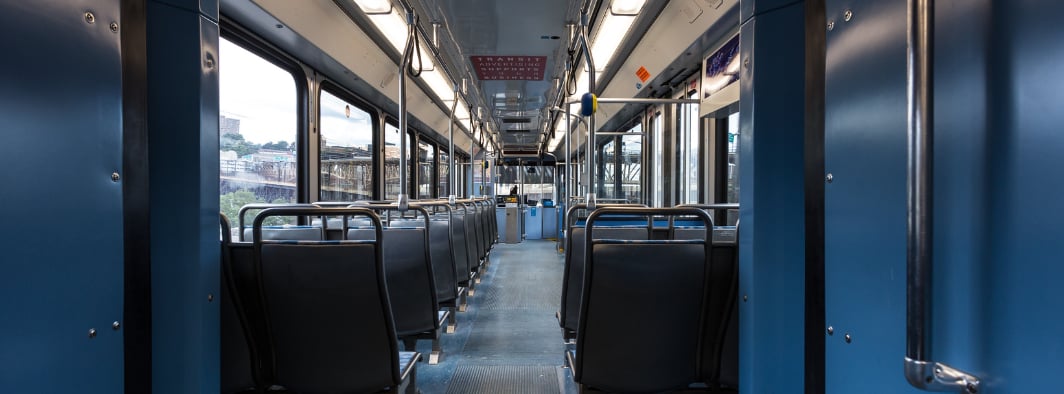
Charlotte Advances the Red Line:
A Major Step Toward Regional Rail Connectivity
For decades, transportation planners, city leaders, and residents in the Charlotte region have discussed the possibility of a commuter rail line connecting Uptown Charlotte with the rapidly growing communities north of the city. In March 2026, that long-discussed vision took a significant step forward.
The Charlotte City Council unanimously approved up to $37.9 million in new funding to move the Red Line commuter rail project into its next phase of planning and design. The proposed line will connect Uptown Charlotte with the Lake Norman towns of Huntersville, Cornelius, and Davidson, creating a 25-mile rail corridor designed to ease traffic congestion and support regional growth.
While the Red Line is still several years away from construction, the council’s latest decision represents one of the most meaningful milestones in the project’s history. By funding this new stage of development, the city is pushing the design of the rail line closer to completion and laying the groundwork for one of the most ambitious transportation initiatives in the Charlotte region.
The Vision Behind the Red Line
The Red Line is planned as a 25-mile commuter rail line that would run from Uptown Charlotte north to Lake Norman, serving several fast-growing suburban communities along the way. Key stops are expected to include:
-
Uptown Charlotte
-
North Charlotte neighborhoods
-
Huntersville
-
Cornelius
-
Davidson
The corridor follows existing railroad tracks that were once operated by Norfolk Southern, making the project more feasible than building an entirely new rail line from scratch. In 2024, the City of Charlotte purchased this rail corridor for $91 million, securing the physical path needed to eventually operate commuter trains.
Using an existing rail corridor offers several advantages:
-
Lower construction costs compared to building new rail infrastructure
-
Faster implementation timelines
-
Reduced disruption to surrounding communities
-
The ability to connect multiple municipalities along a single route
Once completed, the Red Line is expected to provide a reliable transportation alternative for thousands of commuters who currently rely heavily on cars to travel between the Lake Norman area and Charlotte’s urban core.
A $37.9 Million Step Forward
The newly approved $37.9 million investment will fund the next phase of engineering and planning for the Red Line project.
This funding is designed to bring the rail line’s design completion to approximately 30% by the end of 2026, an important benchmark in large infrastructure projects. Reaching this milestone allows engineers, planners, and policymakers to better understand the technical requirements, potential costs, and construction timeline.
The funds will support several key activities, including:
-
Public involvement and community outreach
-
Station area planning
-
Utility coordination
-
Systems engineering and rail design
-
Updated cost estimates for construction
-
Detailed planning for crossings and infrastructure
These efforts help transform a conceptual project into a detailed blueprint that can eventually move toward construction.
The city has already invested several million dollars in earlier phases of the project. In September 2023, Charlotte approved approximately $5 million for the first planning stage, which included updating project goals, evaluating grade crossings, and determining potential station locations.
An additional $320,000 was approved in March 2025 to handle right-of-way encroachment approvals along the corridor.
With the new funding approved in March 2026, the total value of the engineering and planning contract with HDR Engineering Inc. now reaches $43.2 million.
Why the Red Line Matters for the Region
The importance of the Red Line goes far beyond transportation planning. For many leaders across Mecklenburg County and the Lake Norman region, the project represents a solution to several growing challenges.
Rapid Population Growth
Charlotte is one of the fastest-growing metropolitan areas in the United States, and nearby Lake Norman communities have seen especially strong population increases in recent years.
Cities such as Huntersville, Cornelius, and Davidson continue to attract new residents who commute into Charlotte for work. As these towns expand, traffic congestion along the Interstate 77 corridor has become a persistent concern.
A commuter rail system offers an alternative way to move people between these areas without relying solely on highways.
Reducing Traffic Congestion
The I-77 corridor is widely known as one of the most congested commuter routes in the region. By providing a reliable rail option, planners hope the Red Line will help reduce the number of vehicles on the road during peak hours.
While commuter rail will not eliminate traffic entirely, it could significantly improve transportation efficiency for residents traveling between Lake Norman and Uptown Charlotte.
Supporting Economic Development
Rail stations often become hubs for new development. Communities with commuter rail access frequently experience increased interest in:
-
Mixed-use developments
-
Walkable downtown areas
-
Retail and restaurant districts
-
Transit-oriented housing
As a result, the Red Line could help stimulate economic growth in multiple municipalities along the corridor.
Funding the Future of Regional Transit
A key reason the Red Line is moving forward today is the approval of a new regional transportation funding source.
In November 2025, Mecklenburg County voters approved a one-percent sales tax increase dedicated to transportation improvements. The measure is projected to generate more than $19 billion over the next 30 years.
The funding will support a wide range of transportation investments, including:
-
Rail projects
-
Road improvements
-
Bus system expansions
-
Regional transit infrastructure
Approximately 40% of the new revenue is designated for rail projects, making commuter rail initiatives like the Red Line financially viable for the first time in many years.
Charlotte leaders had previously taken a calculated risk by purchasing the Norfolk Southern rail corridor before the tax increase was approved. Some council members described the move as bold, since it relied on future voter support for transit funding.
That gamble ultimately paid off when voters approved the transportation tax initiative.
The Red Line’s Priority Status
The Red Line also holds a unique position within Charlotte’s broader transit plans.
Under the state legislation that authorized the new transportation sales tax, Charlotte must complete at least 50% of the Red Line project before moving forward with other planned rail lines.
This rule effectively makes the Red Line the top rail priority for the region.
Several other major transit projects are already under consideration but must wait until the Red Line reaches significant progress. These include:
-
The Silver Line light rail, which would connect Charlotte Douglas International Airport to the Bojangles Coliseum area
-
An extension of the Gold Line streetcar from the Rosa Parks Community Transit Center to Eastland Yards
Because of the legal requirement tied to the sales tax funding, city leaders view the Red Line as a critical first step toward building a broader regional transit network.
Community Support and Long-Standing Debate
The idea of a commuter rail line to Lake Norman has been discussed for more than two decades.
During that time, the project has experienced multiple delays due to funding challenges, political debates, and shifting transportation priorities.
However, support for the Red Line has remained relatively strong among residents in the northern Mecklenburg communities who see rail as a potential solution to the region’s growing transportation problems.
City leaders have emphasized that the current phase of planning will include significant public engagement, ensuring residents have opportunities to provide input on:
-
Station locations
-
Community impacts
-
Development opportunities near stations
-
Environmental considerations
Public feedback will play a major role in shaping how the rail system ultimately integrates into each community.
What Happens Next?
Although the latest funding approval marks major progress, the Red Line still has several steps before construction can begin.
The upcoming planning phase will focus on refining the design and identifying technical requirements for the rail system. This includes determining:
-
Final station locations
-
Track improvements
-
Rail systems and signaling
-
Environmental impacts
-
Construction cost estimates
Once the design reaches deeper levels of completion, the project can move toward securing federal funding, finalizing construction budgets, and establishing a timeline for building the rail line.
Large commuter rail projects typically take years to complete, meaning the Red Line will likely remain a long-term project for the region.
A Turning Point for Charlotte’s Transportation Future
The Charlotte City Council’s decision to invest nearly $38 million in the next phase of the Red Line represents more than just a planning update—it signals renewed momentum for regional transit development.
For a project that has been discussed for decades, the recent approval moves the Red Line closer than ever to becoming a reality. By combining new funding, existing rail infrastructure, and growing regional demand for alternative transportation options, Charlotte may finally be positioned to bring commuter rail service to the Lake Norman corridor.
If the project continues to progress as planned, the Red Line could eventually transform how residents travel between the suburbs and the city, reduce pressure on highways, and support long-term economic growth throughout the region.
For now, the focus remains on careful planning, community involvement, and strategic investment—steps that city leaders believe will help turn a long-awaited vision into a functioning part of Charlotte’s transportation network.